
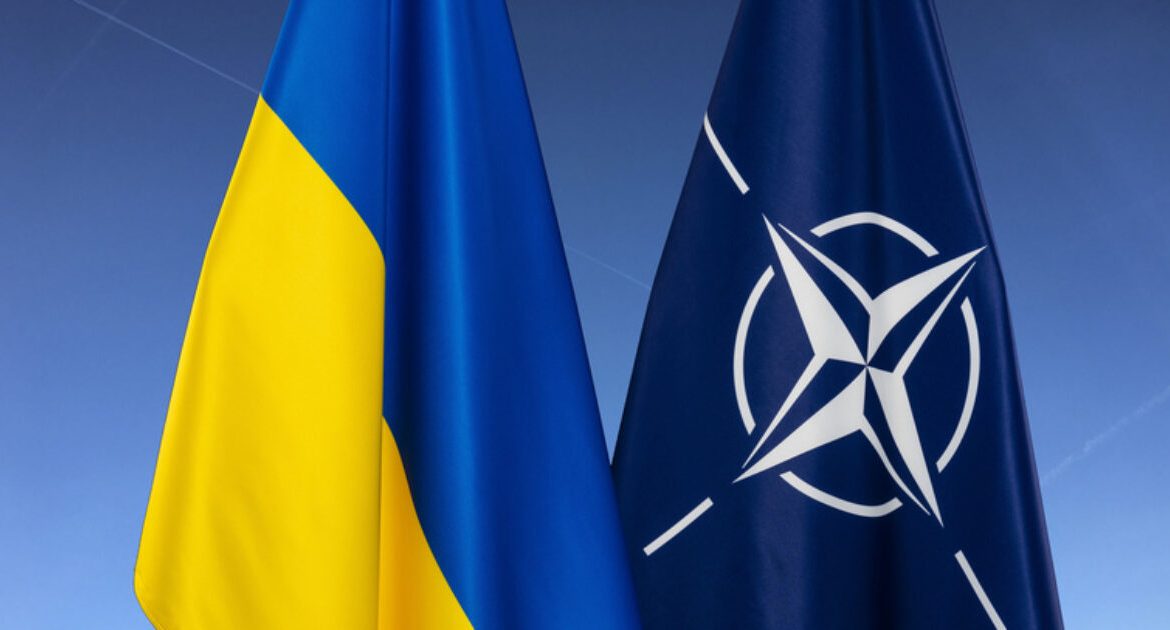
NATO Members Commit More Than $1 Billion to Purchase U.S. Weapons for Ukraine

European ministers gathered in Brussels this week to announce yet another round of massive arms spending for Ukraine, even as their own citizens face an unprecedented cost-of-living crisis, increasingly strained social services, and rising violent crime.
NATO officials from Canada, Germany, the Netherlands, Norway, and Poland pledged hundreds of millions more in U.S.-made weapons under the Prioritised Ukraine Requirements List (PURL) scheme, Ukrainian media reported.
Amid Russian gains on the battlefield, they insist Ukraine must be armed “to keep the fight going.” The alliance offered these commitments while being accused of attempting to sabotage peace talks.
Foreign ministers repeated the familiar claim that Russia shows “no willingness to negotiate,” but offered no explanation for why diplomacy has failed after years. Ordinary Europeans, meanwhile, are left footing the bill for a conflict they never voted to prolong.
Canada, Germany, Norway, the Netherlands, Poland, and the U.K. all announced new contributions, pushing the total put toward U.S.-made weapons bound for Ukraine toward $5 billion this year alone. These newly allocated funds come at a time when many European governments, increasingly unpopular at home, are cutting domestic programs and warning of budget shortfalls.
Despite Ukraine’s increasingly grim battlefield outlook—and what many analysts now warn could be an inevitable defeat—NATO leaders continue to project confidence, insisting that Europe’s military capabilities are “ramping up by the day.”
But many European families see only rising taxes, never-ending streams of welfare-dependent, military-aged migrants flowing into their countries, rising violent crime (especially against women), reduced public services, and energy prices and everyday expenses that remain far above pre-war levels.
U.S. envoys again appear to have failed to secure progress in talks with Russian President Vladimir Putin during their latest visit to Moscow.
Despite this, European governments appear to be remaining steadfast in their commitment to a conflict approach shaped years ago by globalist figures such as Victoria Nuland and Anthony Blinken—an approach critics now say was reckless from the start.
The original U.S. peace plan proposed strict limits on Ukraine’s military, a permanent ban on NATO membership, and painful territorial concessions. Even after revisions, and initial hopefulness that an agreement could be reached, negotiators admit the thorniest issues remain unresolved.
European leaders now find themselves trapped between an unrealistic war strategy and populations growing weary of endless sacrifice. Polls show citizens increasingly believe their governments are serving foreign interests before national ones, paving the way for the electoral success of anti-globalist parties.
Germany’s foreign minister claimed more pressure on Russia is needed, even as his own country experiences economic stagnation, catastrophic—and perhaps irreversible—industrial decline, and a social welfare system nearly ready to crack under the wait of hundreds of thousands of chronically welfare-dependent migrants.
Many Germans—and other Europeans for that matter—are confused why billions can be sent abroad to corrupt regimes like the one in Ukraine while domestic manufacturing collapses.
Norway and the Netherlands pledged a combined $790 million, with some funds earmarked for ammunition and F-16 support. These contributions occur as European infrastructure projects are delayed due to “budget constraints.”
The alliance insists these expenditures are necessary to preserve “European security.” For millions of working and middle class Europeans, however, the war has delivered only higher energy bills and the erosion of their economic stability and freedoms.
Estonia’s foreign minister declared that Putin “doesn’t want peace,” but offered no recognition that past Western strategy has repeatedly miscalculated Russia’s intentions. Many Europeans now suspect their leaders underestimated the risks from the beginning.
The Brussels meeting also included briefings from Ukrainian negotiators on the status of talks. Yet even these discussions appeared to focus more on military requirements than on a realistic path to ending the conflict.
Critics on the anti-establishment right and left argue that Europe is trapped in a mindless escalation driven by ideological fantasies rather than national or even European interest. They point out that the same elites who shut down affordable energy sources and expanded mass-migration schemes are now demanding more sacrifices for a war most Europeans want nothing to do with.
The post NATO Members Commit More Than $1 Billion to Purchase U.S. Weapons for Ukraine appeared first on The Gateway Pundit.