
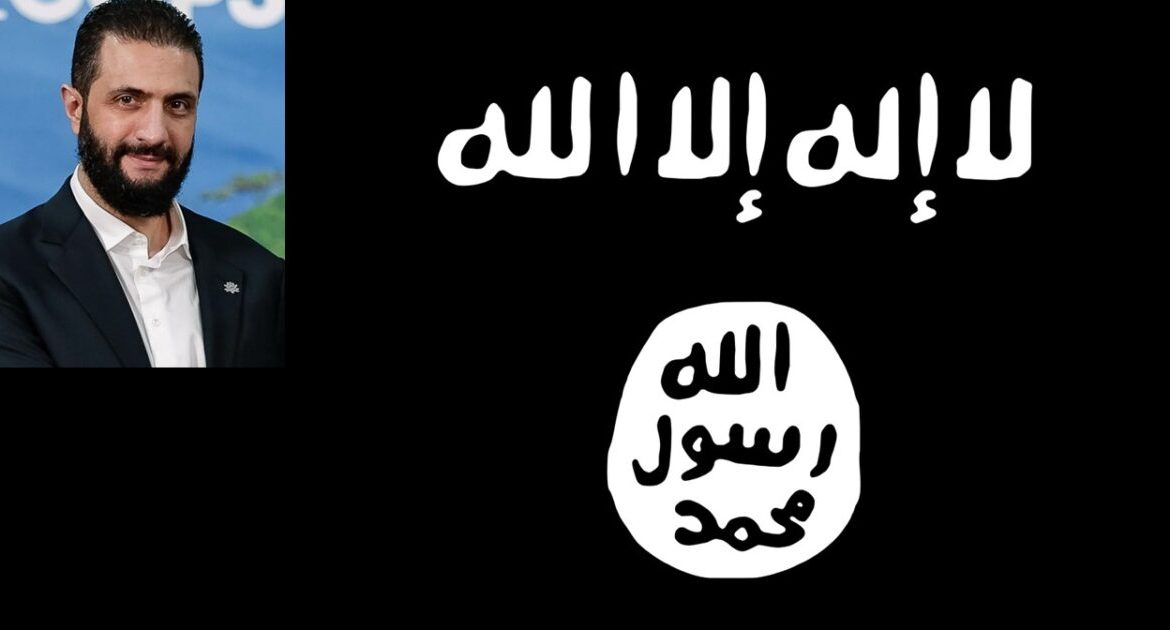
Possible Reasons Why ISIS Has Not Taken Responsibility for Killing U.S. Soldiers in Syria


After two U.S. soldiers from the Iowa National Guard and a civilian U.S. interpreter were killed on December 13, 2025, during an attack at a Syrian Internal Security Forces facility near Palmyra, President Trump and the Syrian government claimed the attack was carried out by ISIS. As the story developed, however, it became clear that the perpetrator was a member of the Syrian security forces who had been radicalized in support of ISIS. So far, ISIS has not taken responsibility for the attack, but this may be for strategic reasons.
ISIS rarely misses opportunities to quickly claim attacks through channels such as Amaq News Agency, as demonstrated by more than 150 attacks carried out in Syria’s Badia desert this year alone. Its silence in this case, as of December 14, appears deliberate.
By not claiming responsibility, ISIS shifts suspicion onto al-Sharaa’s government by framing the attack as an insider incident. Reuters reported that the gunman was a defense forces member operating in a government-controlled area. This framing raises questions about regime complicity or incompetence and undermines trust between the United States and Syria at a critical moment in their partnership. It also weakens al-Sharaa by reinforcing perceptions that his government is infiltrated and unable to control its own security forces.
The narrative is easily exploited by internal Syrian opposition, which can point to the incident as evidence that the HTS-led government is merely “terrorists in suits.” International legitimacy also suffers. If Syria cannot secure joint operations or prevent insider attacks, the rationale for political, military, or economic partnership is called into question.
Historical precedent supports this strategy. In 2017 and 2018, ISIS sleeper cells in Iraq avoided claiming certain green-on-blue attacks in which insiders targeted coalition forces. U.S. Central Command assessed this tactic as a way to sow paranoia about infiltration within Shia-led governments. A similar dynamic appears to be at play here.
Silence keeps the focus on the attack’s insider profile, fueling speculation over whether al-Sharaa, whose HTS background includes Salafist-jihadist roots, is unable or unwilling to purge extremist elements. This risks eroding his already fragile post-Assad legitimacy. ISIS benefits by allowing doubt to fester without exposing itself to immediate U.S. retaliation.
ISIS’s rivalry with al-Sharaa and HTS further explains the calculus. Despite shared ideological origins, ISIS views HTS as apostate nationalists for cooperating with the West. ISIS has directly targeted al-Sharaa’s government, including a May 18, 2025, car bomb in Mayadin that killed five people in regime-held territory.
Reports of foiled ISIS assassination plots during al-Sharaa’s public engagements underscore its intent to weaken or eliminate him. Not claiming the Palmyra attack allows ISIS to inflict indirect political damage without triggering immediate U.S. strikes on its camps.
This approach aligns with ISIS’s broader destabilization objective. The group thrives on chaos and exploits power vacuums during political transitions, particularly amid U.S. drawdowns and the rapid integration of Syrian forces. Silence magnifies uncertainty, with public debate split between ISIS culpability and regime infiltration, reinforcing doubts about al-Sharaa’s control over extremist threats.
Pro-opposition voices on X have accused al-Sharaa of cover-ups, with early Interior Ministry denials fueling narratives of HTS–ISIS overlap. Arabic and English-language posts emphasize alleged ignored warnings to U.S. forces, implying regime negligence or worse. While President Trump blamed ISIS outright, al-Sharaa’s statements have not quelled doubts. Reporting by various media notes ongoing investigations into the attacker’s ISIS ideological ties, keeping questions of complicity alive.
A claim could still emerge if ISIS decides there is propaganda value in taking credit for killing U.S. personnel, consistent with its past behavior. Alternatively, the attack may ultimately prove to be the act of a lone actor. For now, ISIS benefits by letting suspicion persist, undermining trust between Washington and Damascus, complicating future cooperation, and weakening al-Sharaa at a critical moment.
The post Possible Reasons Why ISIS Has Not Taken Responsibility for Killing U.S. Soldiers in Syria appeared first on The Gateway Pundit.