
Polar Bears Getting ‘Fatter and Healthier’ Despite So-Called Global Warming, Study Finds

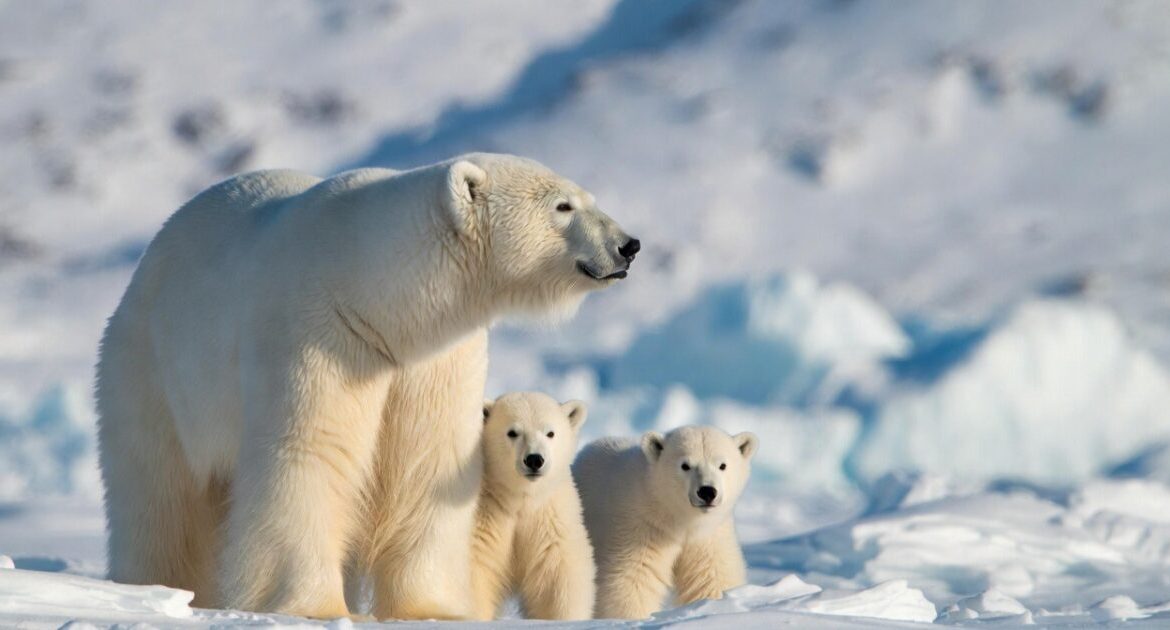
Polar bears living around Norway’s Arctic archipelago of Svalbard are getting “fatter and healthier” despite allegedly melting ice caps, according to new scientific research.
For years, scientists and climate change alarmists have warned that declining ice coverage would sharply reduce hunting opportunities for polar bears, leading to poorer health and falling populations.
However, long-term monitoring of bears in the Svalbard region suggests a different outcome.
Researchers analysed 1,188 records from 770 adult polar bears collected between 1992 and 2019.
After a brief decline in the mid-1990s, both male and female bears showed increases in body weight and fat reserves, indicating improved overall condition.
Scientists have reported some rare good news from the Arctic. As the climate changes and the ice melts, in one region at least, polar bears are thriving — finding new ways to survive, and even packing on the pounds.
CBS News’ Vlad Duthiers breaks down the study and polar bears… pic.twitter.com/bnkZsr2Nrt
— CBS News (@CBSNews) January 29, 2026
Those behind the study, which was published in Scientific Reports, believe this trend may be linked to changes in available food sources.
Reindeer, walruses, and harbour seals, once heavily hunted by humans, have recovered in number following conservation measures, providing alternative prey.
In addition, reduced sea ice may be concentrating seals into smaller areas, making them easier for bears to hunt during periods when ice is present.
Jon Aars of the Norwegian Polar Institute, one of the study’s authors, said the results were unexpected given the scale of ice loss.
“The fatter a bear is, the better it is,” he explained.
“And I would have expected to see a decline in body condition when the loss of sea ice has been so profound.”
“There are a lot more walruses around [for them to hunt] these days,” he continued. “It is also possible that they are able to hunt seals more efficiently.”
fun fact about polar bears: they are one of the very few animal species that actively see humans as prey 🙂 pic.twitter.com/kNX1MzaBq5
— Nature is Amazing
(@AMAZlNGNATURE) March 1, 2025
Over the past two decades, bears in the region have had access to sea ice for roughly two months less per year than previously, yet adult body condition has improved rather than declined.
There are approximately 2,650 polar bears in the Barents Sea region, and researchers found no evidence of a population decline.
Mothers appear to be raising cubs successfully, and survival rates among younger bears remain stable.
The post Polar Bears Getting ‘Fatter and Healthier’ Despite So-Called Global Warming, Study Finds appeared first on The Gateway Pundit.