
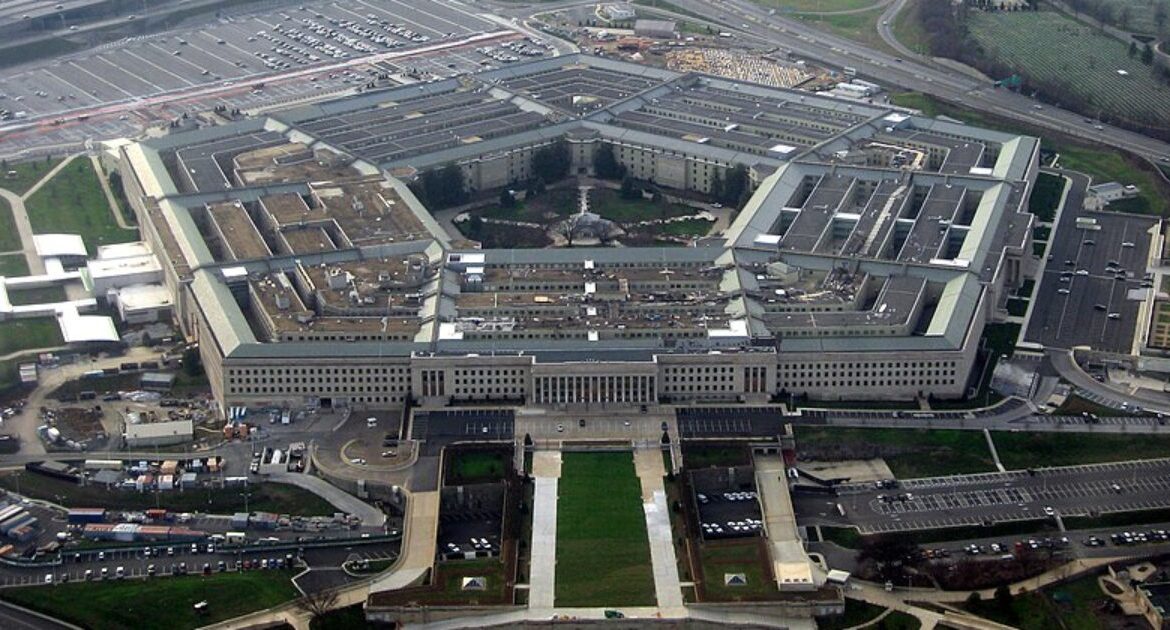
Tensions Escalate Within NATO as Pentagon Abruptly Halts Ukraine-Related Communications with Germany

Strains within NATO appear to have intensified following the Pentagon’s sudden decision to sever routine communications with Germany’s Defense Ministry on matters related to the ongoing Russo-Ukrainian war, according to German officials who described the move as unexplained and ‘disruptive.’
Lieutenant General Christian Freuding, head of Germany’s Ukraine coordination task force, told reporters on Tuesday that what had been round-the-clock exchanges with U.S. counterparts have now ceased entirely, leaving Berlin without direct insight into American strategic planning.
German defense sources said they have been forced to route inquiries through their embassy in Washington, with senior military figures acknowledging a lack of dependable channels to engage Pentagon officials amid the communications blackout.
The freeze coincides with the U.S. administration’s efforts to revise its proposed Ukraine peace framework, reducing it from 28 to 22 points after consultations with both Kyiv and Moscow, highlighting what critics call a faltering approach to a war that has dragged on without resolution.
U.S. Special Envoy Steve Witkoff is Moscow meeting Russian President Vladimir Putin for additional talks, a development that has caught European allies off guard after years of insistence from NATO leaders that direct negotiations with Moscow were untenable.
Berlin only learned of the Trump administration’s suspension of certain weapons shipments to Ukraine last summer when deliveries failed to materialize, despite Germany’s key involvement in coordinating NATO support, sources familiar with the matter said.
Freuding emphasized the shift, noting that “day and night” messaging with American officials has “broken off— completely,” underscoring a broader erosion of trust in between the traditionally close transatlantic partners.
In response, German policymakers are accelerating an overhaul of the country’s security posture, investing billions in domestic arms production and converting civilian industries to bolster military capabilities.
Officials in Berlin have stated that Germany must prepare for potential U.S. disengagement, with commitments to forge Europe’s most robust armed forces marking a stark departure from the nation’s post-World War II pacifist traditions.
Freuding has publicly cautioned that the once-solid U.S.-led security architecture is unraveling, with many in Germany perceiving Washington as increasingly unreliable in upholding alliances it previously championed.
The developments unfold as the U.S. ramps up pressure on Ukrainian President Volodymyr Zelensky’s administration to pursue a negotiated end to the conflict, warning that continued arms and intelligence support could be withheld if Kyiv resists.
White House officials have acknowledged the unsustainable nature of indefinite weapons flows to Ukraine, even as NATO partners facilitate U.S.-sourced aid, amid mounting questions about the war’s viability.
Public sentiment across Europe is shifting toward greater doubt about the conflict, with citizens in several nations increasingly challenging the rationale for prolonged economic sacrifices in support of a stalemated war plagued by reports of mismanagement and corruption in Kyiv.
Analysts point to persistent allegations of graft within Zelensky’s government— including recent scandals involving aid diversion and high-level resignations—as factors eroding Western confidence and complicating efforts to sustain international backing.
Critics contend that NATO’s expansive involvement has ensnared Europe in a protracted crisis driven by interventionist policies, with each U.S. policy adjustment exposing the diminishing influence of Western European capitals over the war’s trajectory.
The post Tensions Escalate Within NATO as Pentagon Abruptly Halts Ukraine-Related Communications with Germany appeared first on The Gateway Pundit.