
U.S. Seizure of Venezuelan Oil Tanker: Legal Justification and Controversy


The United States has unsealed a warrant showing that the Coast Guard seized the crude oil tanker M/T Skipper off the coast of Venezuela just before the warrant was set to expire. The action is part of the Trump administration’s expanded sanctions campaign targeting Venezuelan oil shipping networks and individuals close to Nicolás Maduro, aimed at increasing the risks for companies transporting Venezuelan crude.
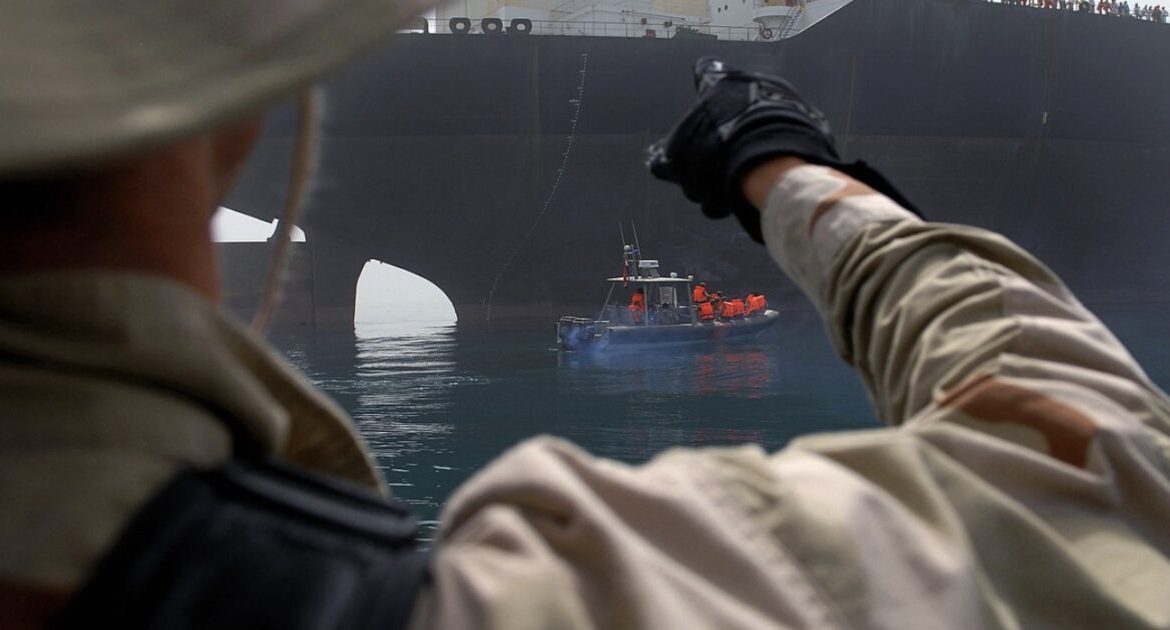
On December 10, 2025, U.S. forces seized the large crude oil tanker Skipper, previously named the Adisa, in international waters off Venezuela. Coast Guard personnel rappelled from helicopters onto the vessel in an operation supported by the FBI, Homeland Security Investigations, and the Pentagon, executing a seizure warrant issued by the Justice Department.
The tanker was carrying approximately 1.1 million barrels of Venezuelan crude oil valued at about $78 million and was headed to Cuba, with the cargo ultimately destined for Asia.
The vessel has been towed to Galveston, Texas, where the crew will be released while the oil remains under U.S. custody pending legal proceedings to formally seize it. The operation marks the first U.S. seizure of a Venezuelan oil tanker in years and briefly contributed to a spike in global oil prices.
The warrant, signed on November 26 by a U.S. magistrate judge, was issued under federal laws authorizing the seizure of assets linked to terrorism-related crimes. U.S. officials said the action underscores continued enforcement of sanctions intended to cut Venezuela and Iran off from financial markets and critical technologies.
The administration has offered multiple rationales for the seizure, including sanctions enforcement and counter-narcotrafficking. Attorney General Pam Bondi stated that the tanker had been sanctioned for years due to its involvement in an illicit oil shipping network supporting foreign terrorist organizations, saying the vessel was tied to a sanctions-evading operation that moved Iranian oil to generate revenue for Hezbollah and Iran’s Islamic Revolutionary Guard Corps–Quds Force.
President Trump called it “the largest one ever seized” and, when asked what would happen to the oil, said, “We keep it, I guess.” Homeland Security Secretary Kristi Noem described the operation as a narco-terrorism action directed by the president to push back against what she said was a regime systematically flooding America with deadly drugs.
White House Press Secretary Karoline Leavitt said the administration will not allow sanctioned vessels to transport black-market oil whose proceeds fund the narcoterrorism of rogue regimes.
The seizure is part of an escalating pressure campaign against Maduro that has included military strikes on suspected drug-smuggling boats since September, the deployment of thousands of troops and a carrier strike group to the Caribbean, fighter jet flyovers of the Gulf of Venezuela, and signals that additional tanker seizures and possible land-based strikes could follow.
The administration has indicted Maduro on narco-terrorism charges and is reportedly developing contingency plans for a post-Maduro scenario. The scale of the U.S. naval presence has raised the stakes, as any outcome short of Maduro’s removal would represent a significant blow to U.S. credibility and President Trump’s political standing.
The seizure occurred the same day Venezuelan opposition leader María Corina Machado appeared in Oslo after defying a travel ban to flee the country. She praised the move as “decisive” in weakening Maduro’s regime. Venezuela’s government, however, condemned the action as “international piracy” and “blatant theft,” arguing it exposed U.S. intentions to control Venezuelan natural resources rather than address migration, drugs, democracy, or human rights. Caracas has vowed to appeal to international bodies.
International law specialists argue that the United States has no general jurisdiction to enforce unilateral sanctions on non-U.S. persons outside its territory, warning that seizing a vessel in international waters sets a dangerous precedent and may violate international law.
While confiscation of sanctioned goods is routine within a state’s own borders, experts note such actions are unusual on the high seas, pointing out that Russia operates hundreds of sanctioned tankers that continue to sail without being boarded.
The legality of the seizure therefore remains disputed. Although the administration obtained a warrant under U.S. sanctions authorities, including the International Emergency Economic Powers Act, critics argue that applying unilateral U.S. sanctions to non-U.S. actors in international waters risks destabilizing established legal norms.
Supporters counter that the United States can rely on broader legal authorities, including terrorism financing, money laundering statutes, and violations of UN Security Council resolutions, particularly in cases involving Iran-linked sanctions.
The tanker’s prior sanctions designation and its alleged ties to designated terrorist organizations such as Hezbollah and the IRGC–Quds Force may provide legal grounds beyond routine sanctions enforcement. Experts acknowledge that seizures in international waters are rare but not unprecedented when vessels are linked to sanctions evasion or terrorism financing.
The post U.S. Seizure of Venezuelan Oil Tanker: Legal Justification and Controversy appeared first on The Gateway Pundit.